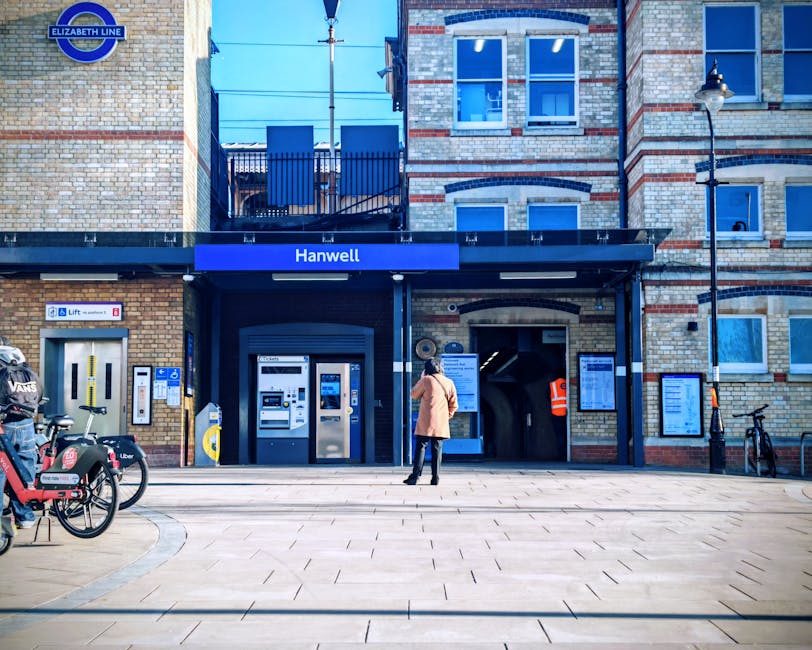
High Barnet Tube Removals Tips for Narrow Streets: A Practical Local Guide
Moving around High Barnet can be straightforward on paper and awkward in real life. Add narrow residential streets, parked cars, tight turns, awkward loading spots and a lift that seems to stop just short of the flat, and suddenly a simple move needs proper planning. These High Barnet tube removals tips for narrow streets are written for exactly that kind of day: the one where timing, access, packing and vehicle choice matter just as much as the boxes themselves.
Whether you are moving from a maisonette near the station, a flat with no parking outside, or a family house tucked down a tighter road, the same rule applies: the move runs best when the route, the vehicle and the loading plan are thought through before anyone starts lifting. Below, you will find a clear, local-friendly guide with practical steps, common mistakes, and a few hard-earned tips that save time, stress and, to be fair, a fair bit of backache.
Quick expert summary: Narrow-street removals in High Barnet are usually won or lost before moving day. Measure access, reduce the load, use the right vehicle size, and keep the packing and parking plan simple. If you get those four things right, the rest gets much easier.
Table of Contents
- Why High Barnet tube removals tips for narrow streets Matters
- How High Barnet tube removals tips for narrow streets Works
- Key Benefits and Practical Advantages
- Who This Is For and When It Makes Sense
- Step-by-Step Guidance
- Expert Tips for Better Results
- Common Mistakes to Avoid
- Tools, Resources and Recommendations
- Law, Compliance, Standards, or Best Practice
- Options, Methods, or Comparison Table
- Case Study or Real-World Example
- Practical Checklist
- Conclusion
- Frequently Asked Questions
Why High Barnet tube removals tips for narrow streets Matters
High Barnet has the sort of street layout that can make removals unexpectedly fiddly. Even if the journey itself is short, the final stretch often is not. Narrow roads, residential parking, turning room that disappears fast, and shared access with neighbours can turn a ten-minute unloading job into a slow shuffle.
That matters because removals are not just about getting furniture from A to B. They are about keeping the move safe, keeping neighbours happy, and avoiding wasted time. In a narrow street, one badly parked van or one overpacked trolley can block the whole process. You may also have a time window where access is easier, or a loading spot that only works if the vehicle is the right size. Miss that, and everything gets harder.
There is another reason this topic matters: people often underestimate how much of a move is logistics rather than lifting. Truth be told, the actual carrying is often the easy bit. The difficult bit is figuring out where the van can pause, how long it can stay there, and how to move larger items without playing a clumsy game of hallway Tetris.
For many local moves, the smartest approach is a combination of planning and flexibility. That is where services like local removals or a compact man and van arrangement can be a better fit than a larger, less nimble vehicle. And if you are dealing with bulky items or a more complex property layout, it may be worth looking at removals support that is designed for awkward access rather than just a standard kerbside load.
How High Barnet tube removals tips for narrow streets Works
The process is really about matching the move to the street. That sounds obvious, but plenty of problems happen when people plan the packing and forget the access. A narrow-street removal usually works best in four stages: assess access, choose the right vehicle, prepare the load, then move in a controlled sequence.
Start by looking at the route from your property to the vehicle. Is there a clean line, or will you need to weave around railings, bins, cars and awkward steps? Can a van stop close enough to avoid long carries? Are there restrictions on stopping outside your building? These are practical questions, not minor details. They decide whether the move feels smooth or chaotic.
Then think about item size. Large wardrobes, sofas, mattresses and office desks often cause the biggest delays. If they cannot pass safely through tight stairs or a narrow front path, you need a plan before moving day. This may mean dismantling furniture, packing differently, or using storage to split the move into two stages. If that sounds like overkill, it usually is not. A little preparation beats a lot of swearing in a front garden at 8:15 in the morning.
Finally, there is the load order. In cramped streets, the loading sequence should be about speed and control, not cramming every item in as fast as possible. Heavy furniture first, fragile items protected and placed with care, then smaller cartons used to fill gaps. That reduces the chance of shifting items when the van brakes or turns sharply. It also makes unloading easier when space is tight at the other end.
For some households and small businesses, pairing removals with storage makes the whole process easier. A temporary stop at short-term storage or a more secure secure storage option can help if access is awkward, completion dates do not line up neatly, or you simply want to reduce the pressure on move day.
Key Benefits and Practical Advantages
When you plan a narrow-street removal properly, the benefits are more than convenience. You reduce physical strain, cut the risk of damage, and avoid those frustrating delays where everyone stands around waiting for a van to squeeze in or a neighbour to move a car.
- Less time wasted: the right vehicle and route plan cut down on back-and-forth carrying.
- Lower damage risk: fewer tight manoeuvres means fewer scrapes on walls, bannisters and furniture corners.
- Better neighbour relations: a tidy loading plan is less likely to block driveways or cause complaints.
- More predictable costs: fewer delays usually means fewer extra hours and less last-minute stress.
- Safer lifting: shorter carrying distances and better preparation reduce fatigue.
There is also a calmer emotional side to it. A move in a tricky street can feel slightly relentless. Boxes everywhere, a narrow pavement, traffic passing at an awkward angle, and someone asking where the kettle is. If you remove a few unknowns in advance, the day feels much more manageable.
For people moving between flats or smaller homes, a carefully planned move often works well with flat removals support. For heavier household items, house removals can make sense when you need a broader team approach. And if you only need help with a few larger pieces, small removals may be the more efficient option.
Who This Is For and When It Makes Sense
This guide is useful if you live or work anywhere around High Barnet where the street is tight, parking is limited or access is not straightforward. That could mean a first-floor flat, a terraced house with little front space, a converted building with shared entry, or an office on a road where stopping for more than a few minutes becomes a headache.
It is especially relevant for:
- tenants moving in or out of flats
- homeowners on narrow residential roads
- students moving with limited furniture but lots of boxes
- small businesses relocating equipment or archives
- households splitting a move over more than one day
- anyone using a removal van that cannot simply park outside the door
It also makes sense if you are deciding whether to do the move yourself or book help. A self-managed move can work well for one or two rooms, but once access gets awkward, the margin for error gets small. In those cases, using packing services or a more flexible removals and storage option can remove a surprising amount of friction.
One simple rule: if you are already worried about where the van will stand, you probably need a proper access plan rather than just extra hands.
Step-by-Step Guidance
1. Walk the route before move day
Do a full walk from your front door to the nearest realistic loading point. Check steps, kerbs, tight corners, railings, low branches, and any pinch points. If you cannot carry a sofa or wardrobe in a straight line without awkward turning, note it now.
2. Measure the bulky items
Measure the length, width and height of the awkward pieces. Sofas, mattresses, desks and wardrobes are the usual troublemakers. Write the measurements down. Old-fashioned? Maybe. Useful? Absolutely.
3. Decide what must be dismantled
Take apart what you reasonably can: bed frames, table legs, shelving, and loose fittings. Keep screws and brackets in labelled bags. A small pouch of fixings can save a ridiculous amount of time later.
4. Choose the right vehicle size
Do not assume that bigger is better. On a narrow street, a smaller or more manoeuvrable vehicle may actually be the smarter choice. The point is not maximum space. The point is usable space and easy access. That is why a man and van setup can be ideal for tighter roads and shorter loading windows.
5. Pack in the order you will need things
Keep everyday essentials separate and clearly marked. Put kettles, chargers, toiletries, work items and key documents in one clearly accessible box. If you want a simpler transition, think in layers: essentials first, then furniture, then the less urgent bits.
6. Protect walls, floors and door frames
Narrow access often means more contact points. Use covers, blankets or padding where needed. This is one of those details people only value after the first scuff. Then suddenly it matters a lot.
7. Load for balance, not just speed
Put heavy items low and secure them. Fill gaps with smaller boxes so things do not slide. The van should feel stable, not like a moving puzzle with a bad temper.
8. Leave yourself an exit plan
If access worsens, weather changes or a parking problem appears, have a backup. That could mean a second trip, a holding space, or temporary storage. A flexible backup is not a sign of poor planning. It is planning.
Expert Tips for Better Results
After enough removals, you notice the same small wins again and again. They do not look dramatic, but they make a difference.
- Use slimmer boxes for heavy items. A box that is half full but heavy is still a back problem waiting to happen.
- Group items by room and by carry distance. This helps the unload feel organised rather than frantic.
- Keep one person on route control. Someone should watch doors, cars, pedestrians and turn space. Too many helpers in one narrow gap becomes a comedy sketch.
- Move early if the street is calmer early. Morning light and lighter traffic can make a big difference on busy roads.
- Leave a path clear in the property. If boxes block the stairs, every extra trip becomes clumsy.
- Use labels that are actually readable. Half-bad handwriting on move day is a classic little tragedy.
Another useful tip: if you are storing anything, make the storage decision part of the move plan, not an afterthought. Putting a few items into household storage or furniture storage can reduce load volume and make narrow access easier from the outset.
And yes, it is perfectly normal to say, "Let's take the legs off this table instead." Sometimes that is the difference between a smooth carry and a scraped wall. Simple wins count.
Common Mistakes to Avoid
A lot of narrow-street moving problems come from avoidable assumptions. Here are the ones that crop up most often.
Assuming the van can stop right outside
It sounds convenient, but in practice it is often the first thing to fall apart. Even if you know the road, check the exact loading spot and think about whether another vehicle could block it.
Overpacking boxes
Heavy boxes are slower to carry and more likely to split. On stairs, they become unpleasant very quickly. Use smaller boxes for books and dense items. Your shoulders will thank you later.
Ignoring the return route
People often plan how to get the furniture out, but not how the crew gets back in for the next load. In a tight street, that matters.
Not protecting corners and floors
Tight turning spaces mean more impact risk. One wall corner can get knocked before anyone notices.
Leaving the packing until the last minute
Last-minute packing usually means the wrong items go in the wrong boxes. It also means more loose bits, more stress and more forgetting where the tape dispenser disappeared to. That tape dispenser has a habit, honestly.
Choosing storage too late
If access is difficult and your move date is messy, storage can become the safety valve that prevents chaos. Waiting until the van is full and the hallway is blocked is usually too late.
For business moves, the same logic applies. A small office with tight loading access often benefits from early planning and, where needed, office removals support or office storage while you phase the changeover.
Tools, Resources and Recommendations
You do not need a van full of gadgets, but a few practical tools make narrow-street removals easier.
- Measuring tape: for doors, corridors, stair widths and furniture dimensions.
- Furniture blankets: useful for protecting corners and surfaces.
- Straps and ties: help secure loads in the van.
- Marker pens and labels: so boxes are easy to identify quickly.
- Trolley or sack truck: useful for boxes and heavier smaller items, where the route allows it.
- Zip bags for fixings: keep screws, bolts and brackets together.
On the service side, it helps to choose support that matches the complexity of the move. If the move is small and access is awkward, a compact small removals service may be more suitable than a full-scale arrangement. If you need storage while you wait for the property chain, short-term storage gives you breathing space without committing long term.
For student moves, the logic is similar. A few boxes, a desk, maybe a bed frame and a bike. It still gets fiddly if the street is tight, which is why student storage can be surprisingly handy between term dates or when halls and rentals do not line up neatly.
Law, Compliance, Standards, or Best Practice
For removals in the UK, the big concerns are usually safety, access and reasonable care. You do not need to be a legal expert to make sensible decisions, but you do need to think about public space, parking, load security and safe lifting.
In practice, that means checking whether the vehicle can legally and safely stop where you need it, whether the property access is suitable for the planned team size, and whether the load is secured well enough to travel without shifting. If a move involves shared access, communal entrances or tight public pavements, the standard of care needs to be higher simply because the margin for error is smaller.
It is also sensible to ask about insurance and how a provider handles breakages or access issues. A trustworthy removals arrangement should be clear about what is covered and what is not. If you want to understand that side better, the site's insurance and safety information is a useful place to start, and the health and safety policy explains the general approach to safe working.
For money handling and booking terms, it is always wise to read the terms and conditions and check the payment and security details before confirming. That is just sensible, not suspicious.
And if sustainability matters to you, ask how packaging waste and unwanted items are handled. Reuse and recycling are worth considering on move day, particularly when you are clearing out more than you expected. The recycling and sustainability page is a practical reference for that mindset.
Options, Methods, or Comparison Table
Different narrow-street moves call for different approaches. Here is a simple comparison to help you decide.
| Method | Best for | Strengths | Trade-offs |
|---|---|---|---|
| Self-move with car and hired van | Very small loads and flexible timing | Lower upfront spend, full control | More lifting, more trips, more planning pressure |
| Man and van | Small to medium moves with awkward access | More manoeuvrable, quicker loading, simpler on tight streets | Less capacity than a larger removals vehicle |
| Full removals team | House moves, bulky furniture, time-sensitive moves | More hands, better handling of tricky items | May be more than you need for a tiny move |
| Removals plus storage | Moves with date gaps or access problems | Flexible, reduces pressure, helps split the move | Extra step to organise, may not suit ultra-tight budgets |
If your street is very tight and the load is modest, a man-and-van model is often the most practical. If you are moving a fuller household, the combination of removals and storage can save a lot of stress, especially if completion dates are a bit messy. You know the type of move: boxes in one room, furniture in another, and everyone looking at the calendar like it is personally responsible.
Case Study or Real-World Example
Imagine a straightforward but awkward local move: a two-bedroom flat near High Barnet tube, with no dedicated parking and a narrow street lined with cars on both sides. The flat is on the first floor, the sofa is wide, and the mattress is one of those stubborn ones that seems to expand when it reaches the stairs.
The move goes better because the access is planned in advance. The resident measures the furniture, dismantles the bed frame, keeps the hallway clear, and books a vehicle size that can be loaded efficiently without trying to dominate the street. A few non-urgent boxes are moved to storage a day earlier, which reduces the amount that needs carrying all at once.
On move day, the loading point is chosen carefully, the route is kept clear, and the team does not waste time trying to solve access problems on the fly. It is still a moving day, so of course there are moments of mild chaos. Someone cannot find the mug box for five minutes. A screwdriver goes missing and then turns up in a coat pocket. Normal stuff. But the move stays manageable because the plan fits the street.
That is the real lesson. Narrow-street removals are rarely about perfection. They are about reducing avoidable friction. A good plan gives you margin, and margin is everything when space is tight.
Practical Checklist
Use this checklist a day or two before moving.
- Measure the widest furniture pieces
- Check stair turns, door widths and entrance clearances
- Confirm where the van can safely stop
- Pack a clearly labelled essentials box
- Dismantle furniture that might snag in tight areas
- Protect floors, corners and fragile finishes
- Group boxes by room and priority
- Keep fixings in labelled bags
- Decide whether any items should go into storage first
- Make sure access information is shared with everyone involved
- Allow extra time for loading and traffic
- Have water, snacks and phone chargers nearby
Small but useful reminder: if you are not sure whether a piece will fit, measure it. Guessing is not a strategy. It just feels like one until the wardrobe gets stuck.
Conclusion
Narrow streets around High Barnet do not have to derail a move. They just demand better preparation, a calmer pace and the right setup for the property and the street. Once you know the access, size the vehicle properly, pack intelligently and leave yourself a little flexibility, the whole process becomes much less intimidating.
The best High Barnet tube removals tips for narrow streets are usually the simplest ones: plan the route, lighten the load, protect the property and do not force a vehicle or schedule that does not suit the road. A move feels smoother when the plan respects the place you are working in. That is really the heart of it.
If you are weighing up your next step, a short conversation, a careful measurement and a sensible booking decision can make all the difference. And once the last box is in, and the kettle is found, it always feels a little better than you expected. One room at a time, one step at a time.
Get a free quote today and see how much you can save.
Frequently Asked Questions
What is the best removals option for narrow streets in High Barnet?
For many narrow streets, a compact man and van setup or a smaller removals vehicle works best because it is easier to position, load and manoeuvre. If you have a fuller household, a removals team may still be the better choice, but the vehicle size should match the access, not just the volume of items.
How do I know if my sofa will fit through a narrow hallway?
Measure the sofa at its widest points and compare that with the doorway, hallway and staircase turns. Remember to allow for movement and the angle of carrying. If the piece is tight on paper, it will usually feel tighter in person.
Should I use storage if I am moving from a narrow street?
Storage can be very helpful if your move dates do not line up, if access is awkward, or if you want to reduce the amount of furniture being moved at once. Short-term storage is often the most practical option for a temporary gap.
How early should I book a removals service for a local move?
As early as you can once your date is fairly certain. Narrow-street moves often need a bit more coordination, so early booking helps with vehicle planning, access notes and timing.
What should I tell the removals team about my street?
Be honest and specific. Mention parking restrictions, steep kerbs, tight corners, nearby works, stairs, lifts, shared entrances and any furniture that may need dismantling. The more practical detail you give, the better the plan.
Can removals be done if parking outside the property is not possible?
Yes, but the move needs a clear loading plan. The team may need to use a nearby legal stopping point and carry items a short distance. That is normal in many London moves, though it does affect timing.
What items cause the most problems on narrow streets?
Large sofas, wardrobes, mattresses, fridge freezers and heavy boxes are usually the main troublemakers. They are awkward to turn, heavy to carry and less forgiving in tight spaces.
Is it worth dismantling furniture before the move?
Usually, yes. Dismantling beds, tables and shelving can make access much easier and reduce the chance of damage. Keep all fixings together in clearly marked bags so reassembly is less stressful later.
How can I protect walls and door frames during a narrow-street move?
Use blankets, covers and careful route planning. The key is to reduce unnecessary turning and carrying pressure inside the property. Tight spaces usually create contact points, so prevention matters more than repair.
Are small removals better than full removals for flats near High Barnet tube?
It depends on the load. If you are moving only a few rooms or a limited amount of furniture, small removals can be ideal. If you are moving a full household, a broader removals service may be more efficient.
What if my move date changes at the last minute?
If your dates are uncertain, it can help to choose a flexible arrangement or keep a storage option available. Removals and storage is often useful when there is a gap between leaving one property and entering another.
Where can I check service details, terms and safety information?
It is sensible to review the available information before booking. The site pages on insurance and safety, health and safety policy, and terms and conditions are a good starting point.
What is the most important tip for a narrow-street move?
Plan access before anything else. If the street, vehicle and loading point work, the rest is much easier. If they do not, no amount of good packing will fully fix it. That one detail really does carry the whole move.